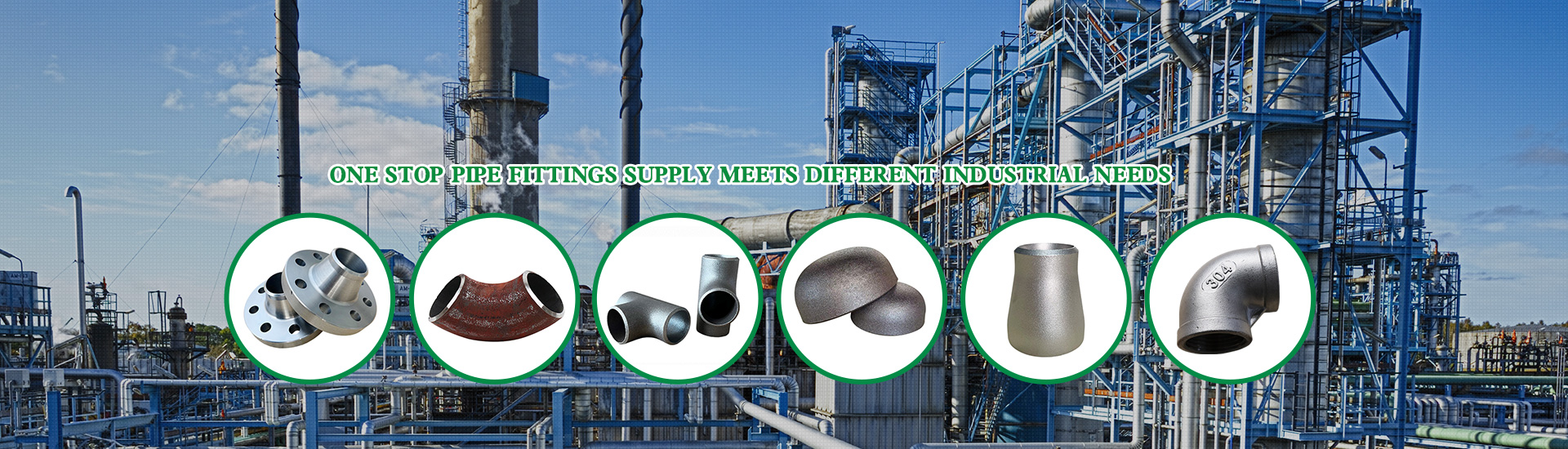
High-pressure piping systems are used in oil & gas, petrochemical plants, power generation, hydraulic systems, and industrial processing. In these environments, pipe fittings must withstand extreme pressure, temperature fluctuations, and sometimes corrosive media. Selecting the right material is critical for safety, reliability, and long service life.
1. Carbon Steel (ASTM A105 / A234 WPB)
Carbon steel is one of the most widely used materials for high-pressure pipe fittings.
Key Advantages
Limitations
Typical Applications
Carbon steel is the default choice for many high-pressure systems when corrosion is controlled.
2. Alloy Steel (Cr-Mo Steels)
Alloy steels contain chromium, molybdenum, and other elements that improve strength and heat resistance.
Key Advantages
Excellent high-temperature strength
Strong resistance to creep and fatigue
Suitable for extreme pressure and temperature conditions
Common Grades
Typical Applications
Alloy steel is preferred for critical high-pressure, high-temperature systems.
3. Stainless Steel (304 / 316 / 316L)
Stainless steel offers both strength and excellent corrosion resistance.
Key Advantages
Excellent corrosion resistance
Good strength and ductility
Suitable for clean and hygienic systems
Limitations
Typical Applications
Chemical processing plants
Food and pharmaceutical industries
Offshore and marine systems
316 stainless steel is especially popular due to its chloride resistance.
4. Duplex Stainless Steel (2205 / 2507)
Duplex stainless steel combines austenitic and ferritic structures.
Key Advantages
Very high strength (almost double 304/316)
Excellent resistance to stress corrosion cracking
Strong chloride resistance
Typical Applications
Duplex steel is ideal for aggressive, high-pressure corrosive conditions.
5. Nickel Alloys (Inconel, Monel, Hastelloy)
Nickel-based alloys are used in extreme conditions.
Key Advantages
Outstanding corrosion resistance
Excellent performance under extreme temperatures and pressures
Resistant to acids, seawater, and oxidation
Typical Materials
Inconel 625 / 600
Monel 400
Hastelloy C276
Typical Applications
These are premium materials used in the most demanding systems.
6. Forged Steel (General Category)
Most high-pressure fittings are made from forged materials rather than cast.
Advantages
Dense structure with no internal voids
High strength and impact resistance
Reliable under cyclic pressure loads
Standards
Forged construction improves safety and durability in high-pressure systems.
7. Material Selection Based on Service Conditions
Low to Medium Corrosion + High Pressure
High Temperature + High Pressure
Corrosive + Moderate Pressure
Highly Corrosive + High Pressure
Extreme Environments
8. Key Selection Factors
When choosing materials for high-pressure fittings, consider:
Maximum operating pressure
Temperature range
Fluid type (corrosive or non-corrosive)
Flow velocity and erosion risk
Maintenance requirements
Total lifecycle cost
Conclusion
The best material for high-pressure pipe fittings depends on operating conditions and system requirements. Carbon steel is widely used for general high-pressure applications, alloy steel is ideal for high-temperature service, stainless steel offers corrosion resistance, duplex stainless steel provides high strength in aggressive environments, and nickel alloys are reserved for extreme conditions. Proper material selection ensures safety, efficiency, and long-term system reliability.
References
ASME B31.3 – Process Piping
ASTM A105 – Carbon Steel Forgings for Piping Applications
ASTM A182 – Forged or Rolled Alloy and Stainless Steel Flanges and Fittings
API 6A – Wellhead and Christmas Tree Equipment
ASM Handbook – Materials for High-Pressure Applications
NACE MR0175 – Sulfide Stress Cracking Resistant Materials