3PE Coated Steel Pipe
3PE Coated Steel Pipe Product Overview The 3PE Coated Steel Pipe represents the global gold standard for external corrosion protection in buried and submerged steel pipelines. 3PE s...

Product Details
3PE Coated Steel Pipe
Product Overview
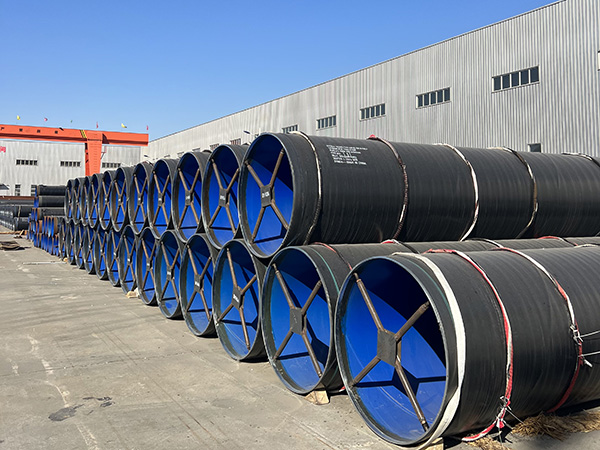
The 3PE Coated Steel Pipe represents the global gold standard for external corrosion protection in buried and submerged steel pipelines. "3PE" stands for Three-Layer Polyethylene, a robust composite coating system that combines the high adhesion and cathodic disbondment resistance of Fusion Bonded Epoxy (FBE) with the superior mechanical protection and moisture barrier of Polyethylene (PE). This multi-layer system is fused to the steel surface through a precise thermal process, creating a unified, high-performance shield that is widely used in the oil and gas, water treatment, and piling industries.
The 3PE Structure: A Triple-Layer Defense
The effectiveness of this pipe lies in its three distinct, chemically bonded layers, which function synergistically to protect the steel substrate:
Layer 1: Fusion Bonded Epoxy (FBE)
Function: Acts as the primary corrosion barrier. It is applied directly to the blast-cleaned steel surface, providing excellent adhesion and preventing electrochemical corrosion.
Thickness: Typically >100µm (often 120–150µm depending on diameter).
Layer 2: Copolymer Adhesive (AD)
Function: A specialized side-extruded adhesive layer that bonds the inner epoxy layer to the outer polyethylene layer. It ensures structural integrity and prevents delamination.
Thickness: Typically 170–250µm.
Layer 3: High-Density Polyethylene (HDPE)
Function: The outer armor. This layer provides exceptional mechanical protection against soil stress, rock penetration, and impact during handling and installation. It also acts as a waterproof barrier.
Thickness: Ranges from 1.8mm to 4.0mm+ depending on the pipe diameter and required protection class (Standard vs. Reinforced).
Key Features and Benefits
Superior Corrosion Resistance: Effectively resists degradation from soil, groundwater, acids, alkalis, and salts, making it ideal for aggressive environments.
Exceptional Mechanical Strength: The outer PE layer offers high impact resistance, tensile strength, and abrasion resistance, protecting the pipe during transportation, backfilling, and service.
Long Service Life: Designed for a service life of 30 to 50 years, significantly reducing maintenance and replacement costs.
Cathodic Disbondment Resistance: Compatible with cathodic protection systems, ensuring that if the coating is damaged, the surrounding area does not suffer rapid corrosion.
Temperature Resistance: Standard grades operate effectively from -40°C to +70°C, with specialized grades handling temperatures up to 80°C.
Technical Specifications
Product Name: 3PE Coated Steel Pipe (3-Layer Polyethylene)
Base Pipe Materials:
Seamless: ASTM A106, API 5L
LSAW (Longitudinal Submerged Arc Welded): API 5L X42–X80
SSAW (Spiral Submerged Arc Welded): API 5L, SY/T 5037
Coating Standards:
GB/T 23257-2017: Buried steel pipe polyethylene anti-corrosion coating.
DIN 30670: Polyethylene coatings for steel pipes.
SY/T 0413: Technical specification for polyethylene coating.
Coating Grades:
Standard Grade: PE thickness ~1.8–2.5mm.
Reinforced Grade: PE thickness ~2.5–4.0mm (for rocky soil or harsh conditions).
Size Range:
Diameter: 2" (DN50) to 120" (DN3000).
Wall Thickness: 6mm to 40mm (depending on pressure rating).
Applications
3PE coated pipes are the industry standard for critical infrastructure:
Oil & Gas Transmission: Long-distance pipelines for crude oil, natural gas, and refined products (onshore and offshore).
Water Infrastructure: Large-diameter municipal water supply and drainage pipelines.
Wastewater Treatment: Effluent lines and sludge transport where chemical resistance is required.
Piling & Construction: Steel pipe piles for bridges and foundations where soil corrosion is a concern.
Industrial Process: Chemical transport and mining slurry lines.
Quality Assurance
We ensure that every 3PE coated pipe meets the highest international standards. Our manufacturing process includes:
Surface Preparation: Steel pipes are shot-blasted to Sa 2.5 cleanliness with an anchor pattern depth of 40–100µm.
Process Control: Precise temperature control during FBE spraying and PE extrusion to ensure proper fusion.
Inspection:
Holiday Detection: 90% inspection using high-voltage spark testers (25kV) to detect pinholes.
Peel Strength Test: Ensures the adhesive bond between layers is robust.
Cathodic Disbondment Test: Verifies long-term electrochemical stability.
Certification: Full compliance with API, ISO, GB, and DIN standards, accompanied by Mill Test Certificates (MTC) and third-party inspection reports.