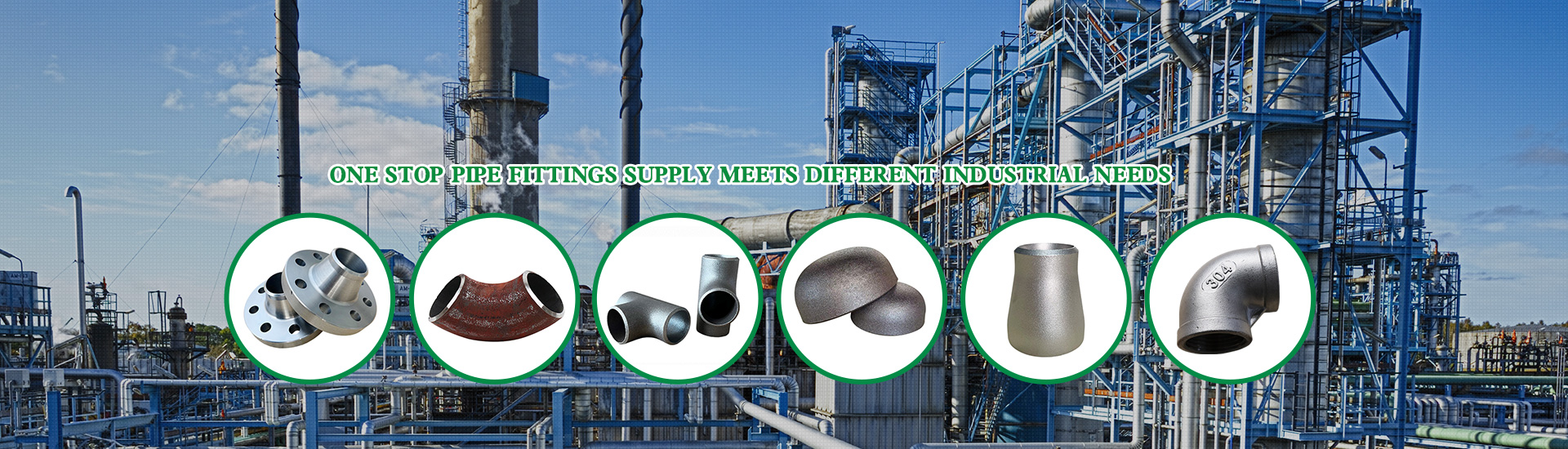
Fire fighting (fire protection) pipelines are safety-critical systems designed to deliver water or fire suppressants reliably under emergency conditions. Selecting the right pipe fittings is essential because any failure can directly impact system performance and life safety. Proper selection must balance pressure rating, material performance, certification compliance, and installation method.
1. Understand Fire Fighting System Requirements
Before selecting fittings, you must understand system design conditions.
Key Parameters
System pressure (static and surge pressure)
Water flow rate and velocity
Pipe network layout (sprinkler, hydrant, standpipe)
Environmental conditions (indoor, outdoor, buried)
Fire systems often experience sudden pressure surges, so fittings must be highly reliable.
2. Select the Correct Material
Material selection is the foundation of fire pipeline reliability.
Common Materials
Ductile Iron
Most widely used in fire protection systems
High strength and impact resistance
Good pressure handling capability
Carbon Steel
Used in industrial fire systems
Suitable for welded or grooved connections
Requires anti-corrosion protection
Stainless Steel
Used in corrosive or coastal environments
High durability and corrosion resistance
Higher cost but long service life
3. Choose the Appropriate Connection Type
Fire fighting pipelines require fast installation and strong sealing.
Grooved Fittings (Most Common)
Fast installation without welding
Flexible and vibration-resistant
Easy maintenance and modification
Widely used in sprinkler systems
Flanged Fittings
Strong and reliable sealing
Easy disassembly for maintenance
Common in pump rooms and equipment connections
Threaded Fittings
Welded Fittings
Permanent and strong connection
Used in critical or high-pressure sections
Requires skilled labor and hot work permits
4. Ensure Compliance with Fire Protection Standards
Fire piping systems must comply with strict regulations.
Key Standards
NFPA 13 (Sprinkler Systems)
NFPA 14 (Standpipe Systems)
NFPA 20 (Fire Pumps)
UL Listed fire protection components
FM Approved products
Importance
Certified fittings ensure system reliability and acceptance by safety authorities.
5. Select Proper Pressure Rating
Fire systems must withstand both working and surge pressure.
Guidelines
Minimum rating typically Class 150 or higher
Consider pump start-up pressure surges
Include safety margin for emergency conditions
Underrated fittings can fail during fire events.
6. Consider Corrosion Protection
Fire pipelines often remain idle for long periods, increasing corrosion risk.
Protection Methods
Galvanized coating
Epoxy coating (internal and external)
FBE (Fusion Bonded Epoxy)
Stainless steel in harsh environments
Key Risk
Internal corrosion can block flow or weaken fittings over time.
7. Select Compatible Fittings and Components
All system components must match.
Must Be Compatible
Pipes and fittings
Couplings and gaskets
Valves and flanges
Problem of Mismatch
8. Focus on Installation Efficiency
Fire protection systems require fast and reliable installation.
Best Choices
Grooved fittings for large systems
Prefabricated sections where possible
Standardized components for quick assembly
Benefit
Reduces labor time and minimizes installation errors.
9. Ensure Sealing Reliability
Leak-free performance is essential for fire systems.
Key Components
High-quality rubber gaskets (EPDM commonly used)
Proper bolt tightening (for flanged systems)
Correct groove dimensions (for grooved systems)
10. Evaluate Maintenance and Inspection Needs
Fire systems must remain reliable over long idle periods.
Consider
Grooved and flanged systems are easier to maintain than welded systems.
Conclusion
Choosing the right pipe fittings for fire fighting pipelines requires careful consideration of material strength, connection type, pressure rating, corrosion resistance, and compliance with NFPA and UL/FM standards. Grooved fittings are widely used for their speed and flexibility, while flanged and welded fittings are applied in high-reliability or critical sections. Proper selection ensures system safety, fast response during emergencies, and long-term operational reliability.
References
NFPA 13 – Standard for the Installation of Sprinkler Systems
NFPA 14 – Standpipe and Hose Systems
NFPA 20 – Fire Pump Installation Standard
UL Fire Protection Equipment Standards
FM Global Approval Standards
ASME B31.9 – Building Services Piping