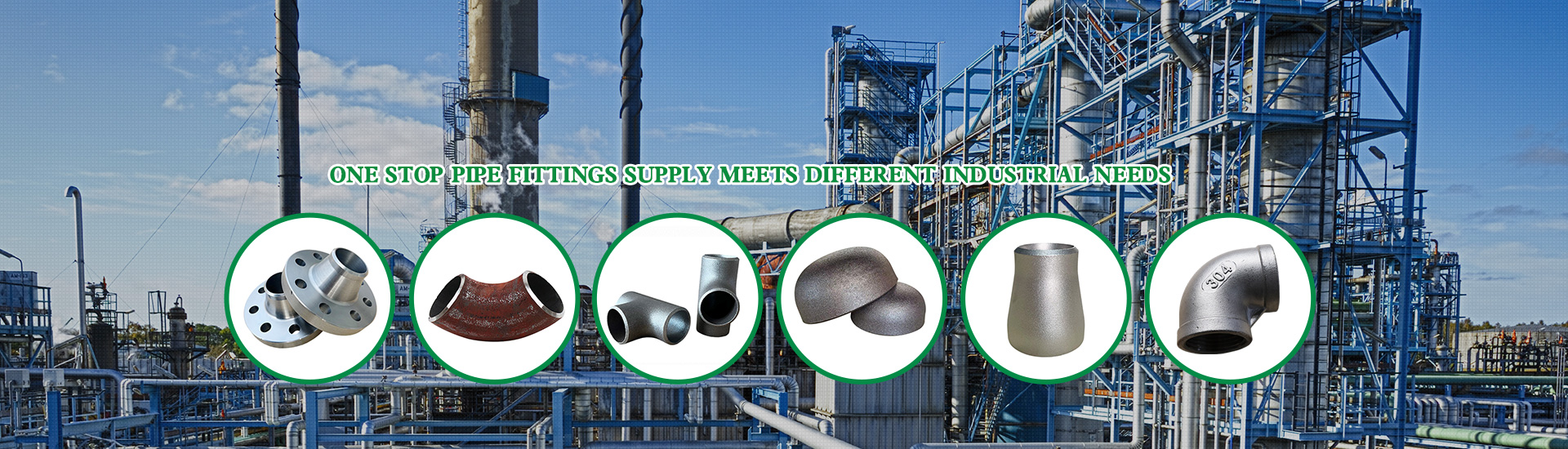
Industrial flanges are critical components in piping systems used in oil & gas, chemical plants, power generation, and water treatment. A high-quality flange ensures leak-free sealing, pressure resistance, and long service life. Poor-quality flanges, on the other hand, can lead to leakage, system failure, and safety risks. Knowing how to identify quality flanges is essential for procurement, engineering, and maintenance teams.
1. Check Material Certification (MTC)
A reliable flange must come with a valid Material Test Certificate (MTC).
Key Points
Confirm compliance with ASTM or ASME standards
Common materials include ASTM A105, A182, A350, etc.
Verify chemical composition and mechanical properties
Check heat number traceability
Why It Matters
Material authenticity directly affects strength, corrosion resistance, and pressure capacity.
2. Inspect Dimensional Accuracy
High-quality flanges strictly follow international standards.
Standards to Check
Key Dimensions
Warning Signs
Misaligned bolt holes
Uneven thickness
Poor machining finish
3. Evaluate Flange Surface Finish
Surface quality affects sealing performance.
Good Quality Features
Smooth, uniform gasket seating surface
Proper serration (for raised face flanges)
No deep scratches or machining marks
Common Defects
4. Check Flange Facing Type Accuracy
Different applications require specific facing types:
Common Types
Raised Face (RF)
Flat Face (FF)
Ring Type Joint (RTJ)
Quality Check
Correct facing type according to order specification
Precise machining depth and geometry
No deformation on sealing face
5. Verify Pressure Rating and Markings
Flanges must clearly show pressure class markings.
Standard Markings
Importance
Incorrect pressure rating can lead to catastrophic failure under load.
6. Inspect Forging Quality
Most industrial flanges are forged products.
High-Quality Indicators
Dense and uniform grain structure
No visible cracks or porosity
Smooth transitions in forged shape
Low-Quality Indicators
7. Check Heat Treatment Condition
Proper heat treatment improves mechanical strength.
Common Treatments
Normalizing
Quenching and tempering
Annealing
Quality Indicators
8. Perform Visual Inspection
Visual inspection is the first quality check step.
What to Look For
Rust or corrosion
Surface cracks
Burrs around bolt holes
Deformation or bending
Simple but Important
Even minor surface defects may indicate deeper manufacturing issues.
9. Check Bolt Hole Accuracy and Alignment
Flange assembly depends on precise bolt alignment.
Quality Requirements
Equal spacing between bolt holes
Smooth drilling without burrs
Perfect alignment with mating flange
Poor Quality Signs
10. Test Coating or Surface Protection
If the flange is coated, quality must be verified.
Common Coatings
Hot-dip galvanizing
Epoxy coating
Anti-rust oil protection
Inspection Points
11. Check Manufacturer Reputation and Standards Compliance
Reliable suppliers follow strict quality systems.
What to Verify
ISO 9001 certification
API or ASME compliance
Third-party inspection reports (SGS, BV, TUV)
Production traceability system
Why It Matters
Reputable manufacturers maintain consistent quality control processes.
12. Pressure Testing (If Available)
Some flanges or assemblies undergo testing.
Types
Purpose
Conclusion
Identifying high-quality industrial flanges requires careful evaluation of material certification, dimensional accuracy, forging quality, surface finish, pressure rating, and compliance with international standards. A reliable flange should meet ASME requirements, have clear traceability, and pass strict inspection tests. Proper selection ensures safe operation, long service life, and reduced maintenance costs in industrial piping systems.
References
ASME B16.5 – Pipe Flanges and Flanged Fittings
ASME B16.47 – Large Diameter Steel Flanges
ASTM A105 – Carbon Steel Forgings
ASTM A182 – Forged Alloy and Stainless Steel Flanges
ASME B31.3 – Process Piping
ISO 9001 – Quality Management Systems