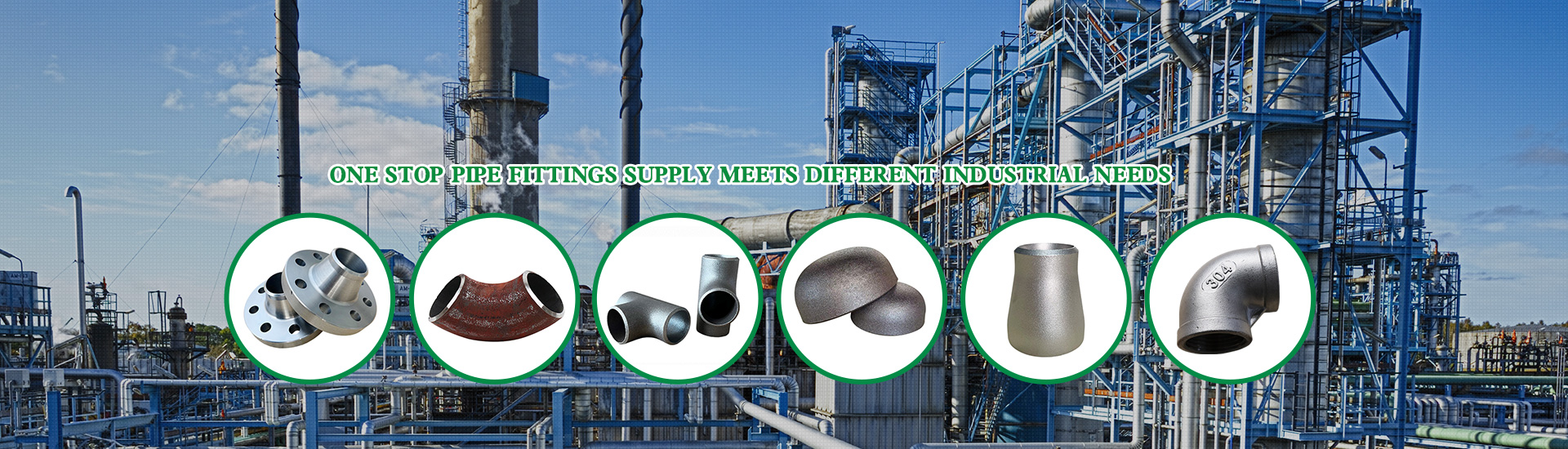
Industrial pipeline systems are long-term infrastructure assets used in oil & gas, chemical plants, power generation, water treatment, and manufacturing. Maintenance costs can become significant over time if the system is not properly designed, operated, and managed. Reducing maintenance costs is not about cutting corners—it is about improving reliability, preventing failures, and optimizing lifecycle performance.
1. Select the Right Materials from the Beginning
Material selection is the foundation of long-term cost control.
Key Strategies
Use corrosion-resistant materials (stainless steel, alloy steel, or lined carbon steel) in aggressive environments
Avoid over-specifying expensive materials where not necessary
Match material to fluid type, pressure, and temperature
Impact
Proper selection reduces corrosion, erosion, and early replacement costs.
2. Improve Corrosion Protection Systems
Corrosion is the leading cause of pipeline maintenance.
Effective Methods
Epoxy coating (internal and external)
Hot-dip galvanizing
Fusion Bonded Epoxy (FBE)
Cathodic protection for buried pipelines
Result
Extends pipeline service life and reduces repair frequency.
3. Optimize Pipeline Design
Good design reduces long-term operational stress.
Design Improvements
Avoid unnecessary bends and fittings
Use long-radius elbows to reduce turbulence
Ensure proper pipe support spacing
Include expansion loops for thermal movement
Benefit
Reduces vibration, stress concentration, and fatigue failure.
4. Reduce Vibration and Mechanical Stress
Vibration is a hidden cost driver in maintenance.
Solutions
Install vibration isolators near pumps and compressors
Use flexible connectors or grooved couplings where appropriate
Strengthen pipe supports and anchors
Outcome
Prevents fatigue cracks and joint loosening.
5. Use High-Quality Pipe Fittings and Components
Low-quality fittings often lead to frequent failures.
Recommendations
Choose fittings compliant with ASME, ASTM, or ISO standards
Use certified manufacturers with traceability (MTC documentation)
Avoid counterfeit or non-standard products
Long-Term Effect
Fewer breakdowns and reduced emergency repair costs.
6. Implement Preventive Maintenance Instead of Reactive Maintenance
Reactive maintenance is always more expensive.
Preventive Measures
Benefit
Early detection prevents major system failures.
7. Improve Installation Quality
Poor installation leads to long-term maintenance issues.
Common Improvements
Correct flange bolt tightening (ASME PCC-1 standard)
Proper pipe alignment
Skilled welding and inspection (NDT testing)
Correct gasket selection and installation
Result
Reduces leakage and rework costs.
8. Use Modular and Easy-to-Maintain Systems
System design directly affects maintenance cost.
Preferred Systems
Grooved pipe fittings for HVAC and fire systems
Flanged connections for equipment areas
Prefabricated pipe sections
Advantage
Faster repair and replacement with minimal downtime.
9. Control Operating Conditions
Many failures come from improper operation.
Key Controls
Avoid pressure surges (water hammer)
Maintain stable flow velocity
Prevent overheating or freezing conditions
Operate within design limits
Impact
Reduces stress-induced damage and extends system life.
10. Implement Condition Monitoring Technology
Modern systems use data-driven maintenance.
Technologies
Benefit
Allows predictive maintenance instead of costly emergency repairs.
11. Improve Storage and Handling Practices
Damage often occurs before installation.
Best Practices
Store fittings in dry, ventilated areas
Use protective end caps
Avoid mechanical impact during transport
Prevent rust formation during storage
12. Standardize Components Across the System
Standardization reduces spare parts and repair complexity.
Advantages
Fewer types of fittings and valves needed
Easier inventory management
Faster replacement process
Conclusion
Reducing maintenance costs in industrial pipeline systems requires a comprehensive strategy that includes proper material selection, corrosion protection, optimized design, high-quality installation, vibration control, and preventive maintenance. By focusing on system reliability and lifecycle management instead of short-term savings, industries can significantly reduce downtime, repair costs, and operational risks while extending pipeline service life.
References
ASME B31.3 – Process Piping
API 570 – Piping Inspection Code
ISO 55000 – Asset Management Systems
ISO 12944 – Corrosion Protection of Steel Structures
NACE Corrosion Control Standards Handbook
Crane TP-410 – Flow of Fluids Through Valves, Fittings, and Pipe