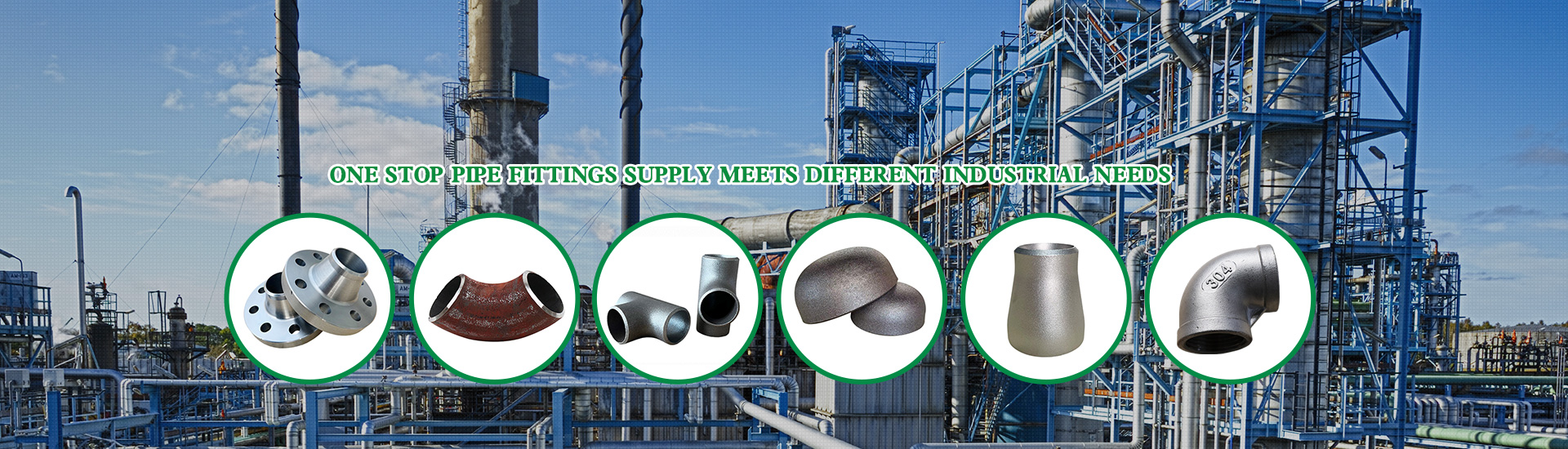
Technical Specification for Pipe Elbow Installation and Construction
Proper installation of pipe elbows is critical to ensure the safety, sealing performance, and long-term reliability of piping systems. This guide outlines key technical requirements, procedures, and quality control points for elbow installation in industrial projects.
1. Applicable Standards
Pipe elbow installation should comply with relevant international and project standards, including:
ASME B31.1 / B31.3 – Power Piping / Process Piping
ASME B16.9 – Factory-Made Buttwelding Fittings
API 570 – Piping Inspection Code
EN 13480 – Metallic Industrial Piping
Project-specific specifications and approved drawings
2. Pre-Installation Preparation
Material Inspection
Verify material grade, size, pressure rating, and heat number
Check certificates (MTC) for compliance
Ensure no visible defects such as cracks, dents, or corrosion
Dimensional Check
Confirm angle (e.g., 45°, 90°) and center-to-end dimensions
Ensure compatibility with connected pipes
Surface Preparation
Clean internal and external surfaces
Remove oil, rust, moisture, and debris
For stainless steel, avoid contamination from carbon steel
3. Alignment and Fit-Up Requirements
Ensure proper alignment of pipes and elbows before welding or bolting
Do not force alignment, which may introduce stress
Maintain uniform root gap and correct bevel angle
Control misalignment within allowable tolerance (typically ≤10% of wall thickness)
4. Welding Requirements
Welding Procedure
Preheating (if required)
Welding Process Control
Post-Weld Heat Treatment (PWHT)
5. Flange Connection (if applicable)
Use correct gasket type and material
Ensure gasket is centered and undamaged
Tighten bolts using a cross-pattern sequence
Apply specified torque values
6. Support and Stress Control
Install proper pipe supports near elbows to reduce load concentration
Avoid excessive stress from thermal expansion or external forces
Use expansion joints or flexible connections if needed
7. Inspection and Testing
Visual Inspection
Non-Destructive Testing (NDT)
Pressure Testing
8. Anti-Corrosion and Protection
Apply coating, painting, or insulation as required
For stainless steel, perform pickling and passivation if necessary
Protect exposed surfaces during and after installation
9. Common Installation Mistakes to Avoid
Forcing misaligned pipes into position
Using incorrect welding materials or procedures
Skipping cleaning before installation
Improper bolt tightening on flanged joints
Lack of adequate pipe support
10. Safety Considerations
Follow site safety procedures and PPE requirements
Ensure proper handling of heavy fittings
Monitor hot work operations (welding, cutting)
Prevent contamination in clean or sensitive systems
Conclusion
The installation of pipe elbows requires strict adherence to technical standards, proper alignment, controlled welding procedures, and thorough inspection. Attention to detail during installation significantly reduces the risk of leakage, stress failure, and long-term maintenance issues, ensuring safe and efficient system operation.
References
ASME B31.3 – Process Piping
ASME B16.9 – Factory-Made Wrought Buttwelding Fittings
API 570 – Piping Inspection Code
EN 13480 – Metallic Industrial Piping
AWS D1.1 – Structural Welding Code – Steel
ISO 15614 – Welding Procedure Qualification