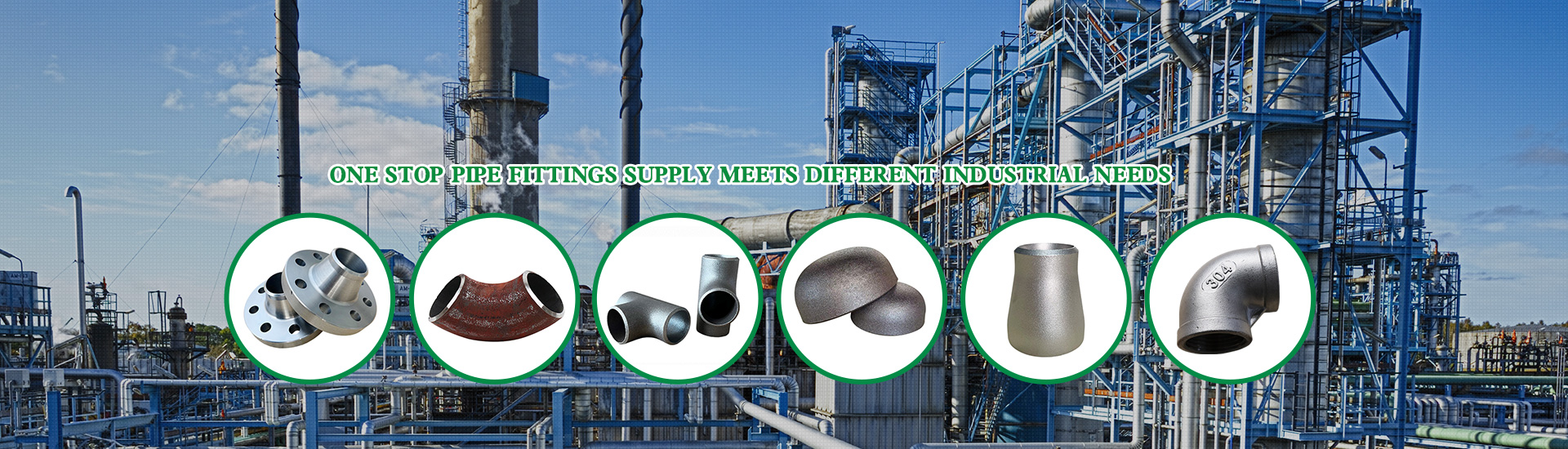
Pipeline fittings are essential components in oil and gas operations, enabling hydrocarbon transport from subsurface reservoirs to end users. These seemingly simple components face demanding conditions including corrosive fluids, high pressures, and challenging environments that demand careful selection and manufacturing. This comprehensive overview examines how pipe fittings serve various sectors within the oil and gas industry, from extraction through refining.
Upstream Operations and Extraction
Upstream oil and gas operations involve accessing and recovering hydrocarbon resources from underground reservoirs. Fittings throughout upstream facilities face challenging conditions including sour service (containing hydrogen sulfide), high pressures exceeding 10,000 psi in deepwater developments, and seawater immersion in offshore environments. Material selection addresses each challenge, with stainless steel and alloy fittings serving most applications.
Wellhead assemblies connect to production tubing and casing strings using specialized fittings. These high-integrity connections must seal under extreme pressures to prevent uncontrolled releases. Premium mating threads and sealed connections maintain integrity throughout producing well life. Tubing head adapters convert between tubing and casing parameters.
Separation equipment uses fittings to divide produced streams into oil, gas, and water fractions. Correct orientation requires proper connections and flow paths. Heater treater connections manage heat input for crude dehydration. Treating pressures seldom exceed 500 psi, but corrosion from produced water and hydrogen sulfide demands careful material selection.
Midstream Transportation Networks
Midstream operations involve moving hydrocarbons from production fields to processing facilities and markets. Transmission pipelines span thousands of miles, with pump stations and compressor stations at intervals. Fittings throughout transmission systems require high pressure ratings and compatibility with transported fluids.
Pipeline stations include manifolds directing flow, filters removing solids, and compressors boosting pressure. Flanged fittings throughout allow maintenance without pipeline Section removal. Flange quality directly affects station integrity—proper gasket and bolt practices prevent environmental releases causing regulatory violations.
Storage terminals receive and store crude oil and refined products before distribution. Storage tank connections include inlet, outlet, and vent fittings. Floating roof drains prevent water accumulation. Tank bottom fittings must accommodate settlement while maintaining integrity.
Marine loading facilities transfer cargoes to vessels. Loading arms use swivel joints and flexible connections accommodating vessel movement. Vapor recovery connections prevent emissions during loading operations. Quick-connect couplings speed transfers and reduce vapor releases.
Downstream Refining Operations
Downstream operations process crude oil into useful products including fuels, lubes, and petrochemical feeds. Refineries use extensive piping networks delivering fluids to various processing units. Fitting selection reflects service conditions throughout these complex facilities.
Crude distillation units separate crude oil fractions based on boiling points. Atmospheric and vacuum tower bottoms circulate through heaters, with residuum sent to downstream conversion units. Fittings in atmospheric residue service face high temperatures and erosion from suspended solids.
Catalytic cracking units convert heavy fractions into lighter, more valuable products. FCC units operate with catalyst particles causing erosive conditions. Reactor and regenerator sections reach temperatures exceeding 1,100°F, requiring alloy fittings retaining strength at elevated temperatures.
Hydroprocessing units including hydrocrackers and hydrotreaters remove impurities and upgrade product quality. High hydrogen pressures to 3,000 psi plus catalysts drive reactions. Fittings in hydroprocessing service must resist hydrogen attack and maintain strength under severe conditions.
Materials for Hydrocarbon Service
Material selection for oil and gas service addresses fluid compatibility, temperature, and pressure. Matching fitting materials to service conditions prevents failures causing environmental harm or safety incidents.
Sour service containing hydrogen sulfide requires materials resistant to sulfide stress cracking. NACE MR0175 (ISO 15156) specifies acceptable materials for H2S-containing service. Carbon steel suffices for mild sour service; SSC-resistant alloys are required above defined H2S concentration and hardness limits.
Chloride stress corrosion cracking affects standard stainless steels in certain conditions. Duplex stainless steels provide improved resistance. Properly heat-treated martensitic stainless steels also resist chloride stress cracking. Service analysis determines appropriate material selection.
Elevated temperature service requires alloys retaining strength at operating temperatures. Chrome-moly alloys P11 and P22 serve temperatures approaching 1,200°F. Beyond these temperatures, more highly alloyed materials are required.
International Standards and Certifications
Oil and gas fittings must meet stringent standards ensuring reliability in demanding service. API specifications establish minimum requirements for fittings used in various hydrocarbon service categories.
API 6A covers wellhead and Christmas tree equipment connecting production flows. This specification addresses wellhead fittings, tubinghead adapters, and cross-overs. Third-party witness of manufacturing and testing is common for critical applications.
API 6B addresses line pipe flanges and API 6BX covers line pipe flanges for offshore service. These specifications address special requirements for subsea and marine applications. Materials and testing meet various classification levels based on intended service.
Ped (Pressure Equipment Directive) certification is required for fittings sold into European markets. This directive ensures compliance with European safety requirements. CE marking indicates compliance with applicable directives.
Quality Assurance in Oil and Gas Applications
Quality assurance for oil and gas fittings exceeds general industrial requirements. The consequences of fitting failures include fires, explosions, toxic releases, and environmental damage—making quality programs essential.
Mill test reports document material properties. Chemical composition, mechanical properties, and heat treatment verify material meets specifications. CertifiedMill test reports signed by authorized inspectors provide independent verification.
Non-destructive examination verifies internal quality. Hydrostatic testing confirms leak-free performance at specified test pressure. Radiographic, ultrasonic, and liquid penetrant examination detect internal and surface defects.
Material traceability links finished fittings to raw material lots. This traceability assists failure investigations and supports material genealogy investigations. Digitally-linked traceability improves database access.
Conclusion
Pipe fittings play essential roles throughout oil and gas operations, from production through refining. Material selection addresses specific service conditions—from sour service to elevated temperatures—and appropriate manufacturing ensures reliable performance. International standards combined with quality manufacturing give confidence in fitting integrity for demanding hydrocarbon applications.
References
American Petroleum Institute. (2022). API 6A - Wellhead and Christmas Tree Equipment.
International Association of Corrosion Engineers. (2020). NACE MR0175/ISO 15156 - Petroleum and Natural Gas Industries Materials for Use in H2S-Containing Environments.
American Society of Mechanical Engineers. (2021). ASME B31.3 - Process Piping.
European Commission. (2021). Pressure Equipment Directive 2014/68/EU.