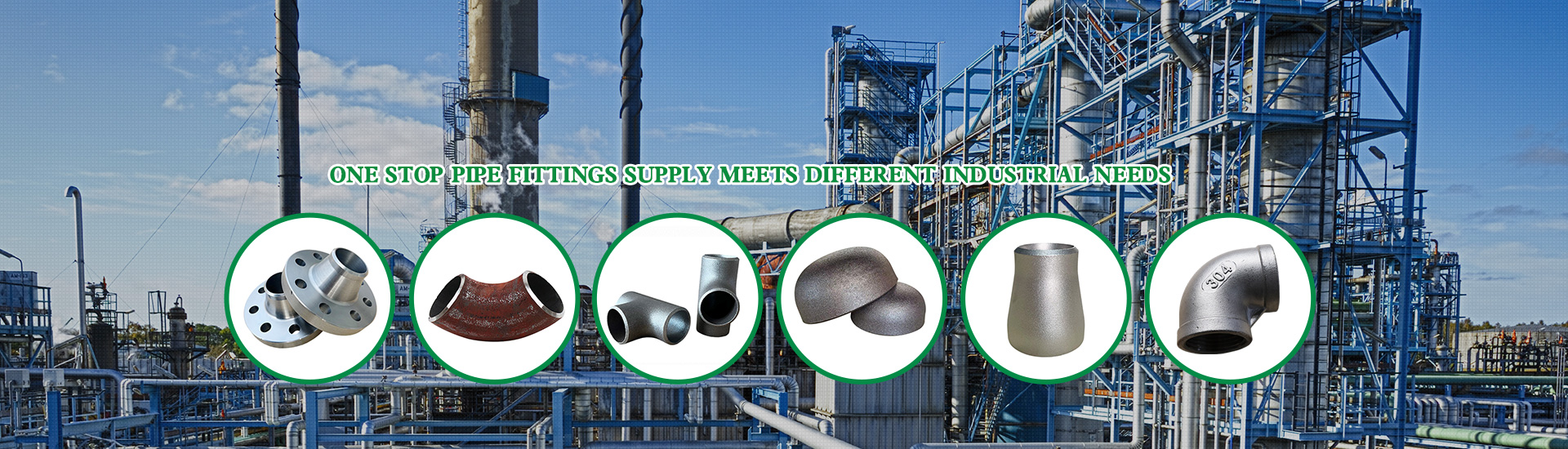
Pipe material selection fundamentally determines system capability, service life, and total ownership cost. The right material choice addresses corrosion resistance, temperature capability, pressure containment, and fabrication requirements while remaining economical for the application. Understanding material characteristics helps engineers navigate the complex trade-offs inherent in pipe material selection.
Carbon Steel Pipe Fundamentals
Carbon steel represents the most widely used pipe material in industrial applications, offering an economical balance of strength, weldability, and availability. The material consists primarily of iron and carbon, with manganese as a secondary alloying element. Various grades address different strength levels and carbon contents, ranging from low-carbon varieties suitable for plumbing to medium-carbon grades serving pressure applications.
API 5L specification covers line pipe grades including B through X80, addressing transmission and distribution applications. ASTM A106 serves high-temperature service with grades A, B, and C providing increasing strength levels. A53 addresses standard pipe applications including mechanical and pressure uses. These specifications define chemical composition, mechanical properties, and testing requirements ensuring consistent quality.
Carbon steel pipe serves water, steam, air, and hydrocarbon applications throughout industrial facilities. The material welds readily using standard procedures, simplifying fabrication and field modifications. Cost effectiveness makes carbon steel the default choice where corrosion or temperature conditions do not mandate alternative materials. Coating systems extend service life in corrosive environments.
Stainless Steel Pipe Varieties
Stainless steel pipe provides superior corrosion resistance through chromium content forming a passive oxide layer on the surface. This protective film self-repairs when damaged in oxygen-containing environments, providing ongoing protection without maintenance. Various grades address different corrosion environments, from general atmospheric exposure to aggressive chemical processing conditions.
Type 304 stainless steel serves general purpose applications with excellent corrosion resistance to most oxidizing environments. The 18 percent chromium and 8 percent nickel composition provides good fabricability and weldability. Type 304L offers low-carbon variants preventing sensitization during welding. This grade appears throughout food, pharmaceutical, and chemical processing applications.
Type 316 stainless steel adds 2-3 percent molybdenum, improving resistance to chloride-induced pitting and crevice corrosion. Marine environments, coastal atmospheres, and chloride-containing process streams benefit from this enhanced capability. Type 316L low-carbon variants prevent intergranular corrosion in welded areas. Material cost premium offsets against extended service life in challenging environments.
Alloy Steel Pipe for Demanding Service
Alloy steel pipe serves elevated temperature and pressure applications where carbon steel capability proves insufficient. Chrome-moly alloys form the backbone of high-temperature piping systems in refineries and power plants. These materials maintain strength and resistance to hydrogen attack at temperatures exceeding carbon steel limits. The 2.25Cr-1Mo grade serves as the workhorse for high-temperature hydrocarbon service.
ASTM A335 specification covers seamless ferritic alloy steel pipe for high-temperature service. Grades P1 through P91 address various temperature and strength requirements. The P22 grade (2.25Cr-1Mo) serves temperatures to approximately 1100 degrees Fahrenheit. Advanced grades like P91 and P92 enable further temperature increases with improved creep resistance.
Stainless steel alloy grades extend beyond standard compositions to address specific service requirements. Duplex stainless steels combine austenitic and ferritic structures, providing twice the yield strength of standard austenitic grades. These materials suit chloride-containing environments and offshore applications where strength and corrosion resistance both matter. Higher alloy materials address the most demanding chemical environments.
Corrosion Resistance Considerations
Internal corrosion depends on process fluid composition, temperature, and flow conditions. Water systems face general corrosion, pitting, or under-deposit attack depending on dissolved oxygen and chloride content. Hydrocarbon streams may contain water, hydrogen sulfide, or other corrosive species requiring material evaluation. Operating temperature accelerates corrosion rates significantly.
External corrosion occurs from atmospheric exposure, burial conditions, or insulation contamination. Atmospheric corrosion rates vary with climate, pollution, and surface condition. Buried pipe faces soil chemistry effects including resistivity, pH, and chloride content. Wet insulation creates aggressive conditions causing under-insulation corrosion that can prove catastrophic if undetected.
Material selection must address both internal and external corrosion mechanisms. A corrosion allowance added to minimum calculated wall thickness provides margin for anticipated metal loss. Inhibitor injection, protective coatings, and cathodic protection provide additional protection where required. Regular inspection and monitoring verify corrosion control effectiveness.
Temperature and Pressure Capability
Temperature affects material strength and therefore allowable stress for pressure design. Carbon steel maintains adequate strength to approximately 800 degrees Fahrenheit, with more significant reductions above 650 degrees. Design codes provide stress values for various materials at different temperatures, ensuring adequate wall thickness for pressure containment.
Elevated temperature service requires careful material selection considering both short-term strength and long-term creep resistance. Sustained high-temperature operation causes gradual deformation even below the yield strength, eventually leading to failure if stress remains excessive. Creep rupture data provides guidance for long-term high-temperature applications.
Cryogenic service requires materials retaining toughness at low temperatures. Standard carbon steel becomes brittle below certain temperatures, making it unsuitable for cryogenic applications. Stainless steels and aluminum alloys maintain ductility at cryogenic temperatures. Impact testing at operating temperature verifies fitness for intended service.
Fabrication and Joining Considerations
Weldability varies significantly between material families, affecting fabrication approach and cost. Carbon steel welds using established procedures with minimal preheat requirements. The material suits most fabrication situations without special precautions. Consistent quality results from qualified procedures and experienced welders.
Stainless steel welding requires attention to heat input and interpass temperature to prevent sensitization. The low-carbon grades (304L, 316L) reduce sensitivity to intergranular corrosion in welded areas. Argon shielding gas protects the weld pool from atmospheric contamination. Post-weld cleaning removes heat tint that could compromise corrosion resistance.
Alloy steel welding demands strict preheat and post-weld heat treatment controls. Preheat prevents hydrogen cracking in hardenable materials. Post-weld heat treatment develops required mechanical properties and relieves residual stresses. Specialized procedures and qualified welders ensure quality results for these demanding materials.
Conclusion
Pipe material selection requires balancing performance requirements against cost considerations throughout system life. Carbon steel serves general applications economically where corrosion and temperature conditions permit. Stainless steel addresses corrosion resistance requirements in demanding environments. Alloy materials extend capability to elevated temperatures and aggressive service conditions beyond carbon steel limits. Careful evaluation of service requirements guides optimal material selection for each application.
References
American Society for Testing and Materials. (2022). ASTM A53 - Standard Specification for Pipe, Steel, Black and Hot-Dipped, Zinc-Coated.
American Society for Testing and Materials. (2021). ASTM A106 - Standard Specification for Seamless Carbon Steel Pipe for High-Temperature Service.
American Society for Testing and Materials. (2022). ASTM A335 - Standard Specification for Seamless Ferritic Alloy-Steel Pipe for High-Temperature Service.
Fontana, M. (2020). Corrosion Engineering. McGraw-Hill Education.