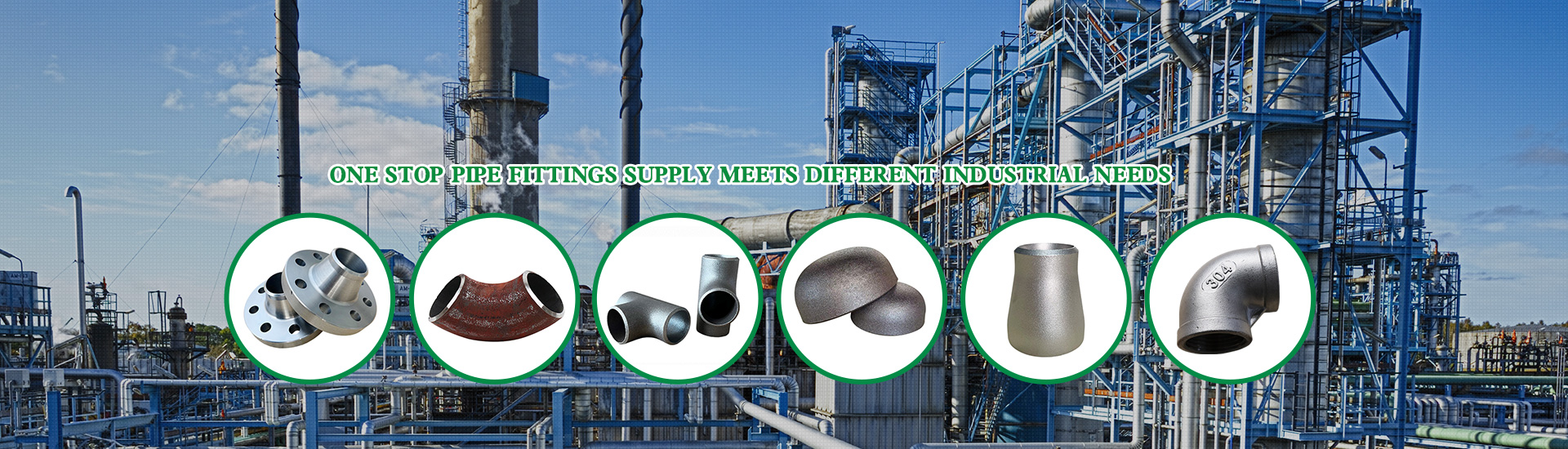
Power plant piping systems operate under some of the most demanding conditions in industrial settings, with elevated temperatures, high pressures, and critical reliability requirements. From boiler feedwater to steam turbines, each system serves essential functions requiring careful design, quality manufacturing, and diligent maintenance. Understanding these specialized applications helps engineers and operators appreciate the unique requirements of power generation piping.
Boiler Feedwater Systems
Boiler feedwater piping supplies preheated water to steam generators, operating at pressures approaching the boiler design limit. The piping must withstand high pressure while maintaining leak-free operation throughout demanding startup and shutdown cycles. Feedwater heaters raise water temperature before entering the boiler, reducing thermal stress and improving efficiency. Piping between feedwater heaters experiences temperature gradients and thermal expansion that require careful design attention.
Feedwater piping materials typically include carbon steel for lower temperature sections and alloy steels for high-temperature feedwater heaters. ASTM A106 Grade C serves temperatures approaching 850 degrees Fahrenheit, while ASTM A335 P22 addresses the most demanding heater connections. Material selection considers both strength requirements and resistance to oxygen corrosion that can affect boiler feedwater systems.
Condensate return piping collects condensed steam from various plant systems and returns it to the feedwater system. These lower-pressure lines operate at temperatures near ambient with significant oxygen content promoting corrosion. Cathodic protection and chemical treatment control corrosion in condensate systems. Stainless steel piping often appears in condensate service due to its corrosion resistance.
Main Steam Piping
Main steam piping carries high-temperature, high-pressure steam from boilers to turbine generators, representing the most critical power plant piping application. Operating temperatures often exceed 1000 degrees Fahrenheit with pressures reaching several thousand psi in modern ultra-supercritical units. The piping must maintain integrity despite severe thermal cycling during startup and load changes. Alloy steel materials provide the strength and creep resistance required for this demanding service.
ASTM A335 P22 and P91 serve as common main steam piping materials, with P91 increasingly preferred for its superior creep resistance. These materials require careful heat treatment to develop proper microstructure and mechanical properties. Weldability concerns require qualified procedures and skilled craftsmen for fabrication. Post-weld heat treatment ensures welds match base metal capability.
Main steam piping routing receives careful attention to thermal expansion management. The extensive pipe runs between boilers and turbines must accommodate substantial thermal growth while maintaining support and restraint that prevents excessive stress. Expansion joints, pipe loops, and flexible support configurations address these requirements. Movement monitoring during startup verifies design assumptions.
Steam Turbine Connections
Turbine inlet piping delivers steam to the turbine with minimal pressure loss and no flow-induced vibration. Turbine manufacturers specify strict limits on inlet steam conditions including temperature variation and moisture content. Piping design must ensure uniform steam conditions across the inlet nozzle without preferential flow to one side. Desuperheating stations control steam temperature before turbines when required.
Extraction piping removes steam at intermediate turbine stages for feedwater heating, improving overall cycle efficiency. These branch connections experience complex stress conditions from thermal gradients between hot extraction points and cooler feedwater heater connections. The intermittent steam flow creates thermal cycling that fatigue analysis must address. Isolation valves enable feedwater heater maintenance without shutting down the turbine.
Turbine bypass piping routes steam directly to the condenser during startup and emergency shutdowns. These large pipes must accommodate extreme temperature differences between initial cold startup and bypass operation. The bypass system protects turbines from thermal shock during rapid load rejection. Control valves regulate bypass flow to maintain condenser conditions within acceptable limits.
Cooling Water Systems
Condenser cooling water piping circulates water through shell-and-tube condensers to condense exhaust steam from low-pressure turbines. Operating pressures remain relatively low, typically under 150 psi, with temperatures near ambient. Large pipe sizes, sometimes exceeding 48 inches in diameter, create unique fabrication and installation challenges. Fiberglass and plastic piping appear in some cooling water applications due to corrosion resistance.
Circulating water intake and discharge piping interfaces with the heat sink, whether river, lake, or ocean. These connections must withstand current forces, wave action, and debris impact. Screen systems exclude marine life and debris that could clog condenser tubes. Fish protection measures address environmental requirements at intake structures.
Cooling tower basin and distribution piping operates at near-ambient temperature with chemical treatment controlling biological growth and corrosion. Large diameter concrete piping appears in some cooling tower applications. MDPE and HDPE piping provide flexibility for ground movement and corrosion resistance for circulating water service.
Design Standards and Regulations
ASME B31.1 Power Piping establishes design requirements for power plant piping systems in the United States. This code addresses stress limits, supports, and examination requirements specific to power generation applications. The code philosophy differs from B31.3 Process Piping, using working stress design rather than design by rule approaches. Engineers must understand the specific code applicable to each project jurisdiction.
Boiler external piping falls under ASME Section I Boiler and Pressure Vessel Code jurisdiction. This code addresses pipe, fittings, valves, and appurtenances external to the pressure vessel but essential to boiler operation. Material specifications, fabrication requirements, and examination criteria ensure boiler external piping maintains safety throughout service life.
International standards address power plant piping worldwide. European EN standards, Japanese JIS specifications, and other national standards provide comparable requirements. Projects serving international markets may need to comply with multiple codes, requiring careful coordination of requirements. Certification and stamping requirements vary by jurisdiction.
Materials for High-Temperature Service
Creep resistance becomes the controlling material property for the highest-temperature power plant piping. At sustained temperatures exceeding 800 degrees Fahrenheit, materials slowly deform under load even below the yield strength. Creep rupture data provides guidance for selecting materials and establishing allowable stresses for long-term operation. The 100,000-hour creep rupture strength typically determines design stress for these applications.
Advanced materials enable higher operating temperatures and improved efficiency. Austenitic stainless steels like Type 347 serve temperatures up to approximately 1200 degrees Fahrenheit. Nickel-base alloys address the most demanding turbine inlet conditions. These premium materials cost significantly more but enable efficiency improvements that justify their expense in new installations.
Material tracking and traceability ensure correct materials in critical applications. Creep damage accumulates over years of operation, making historical knowledge of operating conditions important for remaining life assessment. Heat numbers and material records enable correlation between operating experience and material condition. Documentation systems must capture this information for future reference.
Maintenance and Inspection
Periodic inspection monitors condition and detects degradation in power plant piping. Visual examination identifies surface defects, corrosion, and insulation condition. Thickness measurement tracks metal loss from internal or external corrosion. Vibration analysis detects flow-induced problems before they cause failures. Inspection frequency depends on service severity and operating history.
Creep damage assessment evaluates remaining life for high-temperature components. Replication techniques extract small samples for microstructure examination, revealing creep cavity development. In-situ metallography examines surface conditions without removing insulation. Remaining life estimates guide replacement timing and operating parameter adjustments.
Overhaul activities during planned outages enable detailed inspection and repair of power plant piping. Boiler shutdowns provide opportunity for thorough examination while components are accessible. Replacement of worn components restores reliability for the next operating period. Operating procedures during startup and shutdown protect components from thermal fatigue damage.
Conclusion
Power plant piping systems represent demanding applications requiring careful design, quality manufacturing, and diligent maintenance. Boiler feedwater, main steam, and turbine connections each present unique challenges addressed through appropriate material selection and design practices. Compliance with applicable codes ensures consistent safety margins. Regular inspection and maintenance preserve integrity throughout decades of reliable operation.
References
American Society of Mechanical Engineers. (2022). ASME B31.1 - Power Piping.
American Society of Mechanical Engineers. (2021). ASME Section I - Rules for Construction of Power Boilers.
Electrical Power Research Institute. (2020). EPRI Guidelines for Power Plant Piping Maintenance.
Commonwealth Associates. (2019). Interconnected Power Plant Systems Engineering. McGraw-Hill.