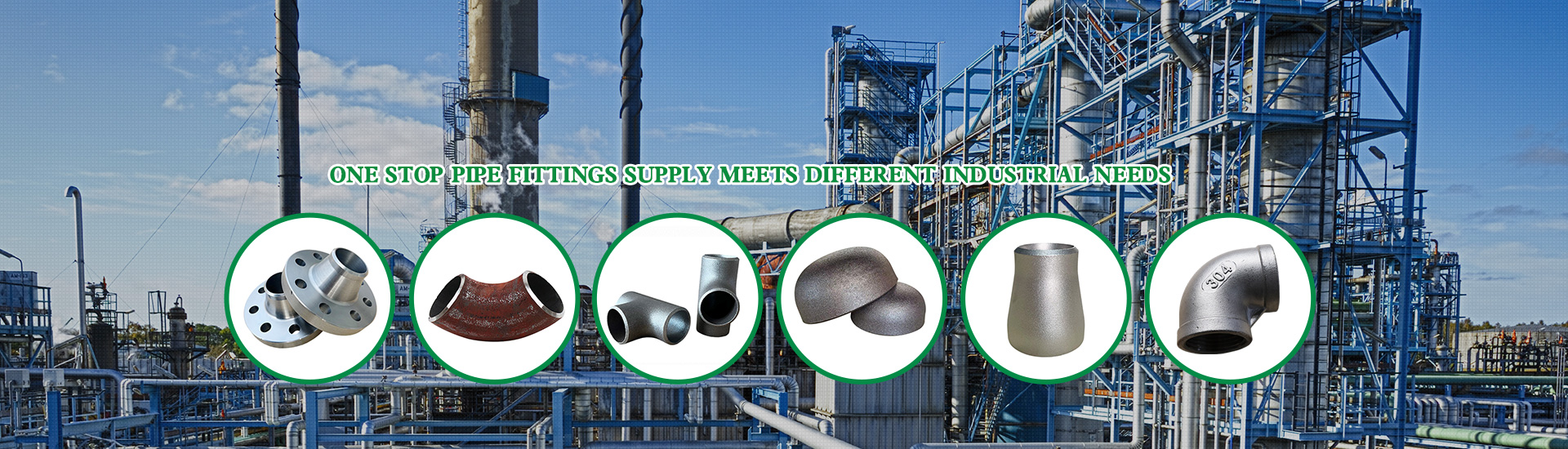
Stainless steel flanges provide critical corrosion resistance in demanding industrial applications where carbon steel fails prematurely. From chemical processing plants to food manufacturing facilities, these specialized components protect against fluid attack, atmospheric corrosion, and contamination concerns. Understanding stainless steel flange benefits helps specifiers select optimal solutions for challenging service conditions.
The Science of Corrosion Resistance
Stainless steel derives corrosion resistance from chromium content forming a passive oxide layer on the surface. This invisible film, typically only a few atoms thick, protects the underlying metal from attack. When damaged mechanically, the layer reforms spontaneously in oxygen-containing environments. Self-healing capability distinguishes stainless steel from coated carbon steel where damage exposes vulnerable base metal.
Chromium content determines corrosion resistance capability. Grades containing minimum 10.5 percent chromium qualify as stainless steel, though practical applications typically require 16 percent or higher. Higher chromium content improves resistance to oxidizing environments. Nickel additions stabilize the austenitic structure and enhance resistance to reducing conditions. Molybdenum improves resistance to pitting and crevice corrosion.
Environmental factors affect corrosion resistance. Chlorides attack the passive layer, causing pitting and crevice corrosion in susceptible grades. Reducing atmospheres can prevent passive layer formation. Temperature accelerates corrosion mechanisms. Understanding service environment specifics enables appropriate grade selection for reliable long-term performance.
Common Grades and Their Properties
Type 304 stainless steel serves as the workhorse grade for general corrosion resistance applications. The nominal composition of 18 percent chromium and 8 percent nickel provides excellent resistance to atmospheric corrosion and many chemical environments. This grade suits food processing, pharmaceutical, and general chemical applications where aggressive chlorides are absent. Type 304L, with reduced carbon content, prevents intergranular corrosion after welding.
Type 316 stainless steel adds 2-3 percent molybdenum for enhanced chloride resistance. This grade suits marine applications, chemical processing involving chlorides, and pharmaceutical manufacturing requiring superior corrosion resistance. The molybdenum addition improves resistance to pitting and crevice corrosion mechanisms that attack Type 304 in chloride-containing environments. Type 316L provides low-carbon variant for welded applications.
Duplex stainless steels combine austenitic and ferritic microstructures, providing twice the yield strength of standard austenitic grades with excellent corrosion resistance. These materials suit applications requiring both high strength and corrosion resistance. The higher strength enables thinner wall designs, offsetting higher material cost through weight reduction. Salt water cooling systems often specify duplex materials for their combination of properties.
Advantages Over Carbon Steel
Service life extension represents the primary advantage of stainless steel flanges. Carbon steel flanges may fail within months in aggressive environments, while stainless equivalents provide decades of reliable service. The initial cost premium amortizes over extended service life, often providing lower total cost of ownership. Life-cycle cost analysis frequently favors stainless steel despite higher initial material costs.
Elimination of protective coatings simplifies installation and maintenance. Carbon steel flanges require painting or coating to prevent atmospheric corrosion. Coating damage during installation or service exposes base metal to corrosion. Stainless steel flanges need no coating, eliminating this maintenance requirement. The natural metallic appearance remains attractive throughout service life without painting.
Product purity considerations favor stainless steel in sensitive applications. Carbon steel corrosion products contaminate process fluids in food, pharmaceutical, and electronic applications. Stainless steel's passive surface prevents contamination, maintaining product purity. Clean-in-place systems in sanitary applications rely on stainless steel surfaces that clean effectively without trapping contaminants.
Applications Across Industries
Chemical processing facilities use stainless steel flanges extensively for corrosive chemical handling. Acid production, salt processing, and organic chemical manufacturing specify stainless flanges for corrosion resistance. The material selection depends on specific chemicals, concentrations, and temperatures. Engineering evaluations determine appropriate grades for each service application.
Food and beverage processing requires sanitary stainless steel components. Cleanability, corrosion resistance, and product purity concerns mandate stainless materials. Type 304 and 316 serve most food processing applications, with grade selection based on specific product characteristics. Sanitary fittings with special surface finishes meet industry hygiene requirements.
Pharmaceutical manufacturing demands the highest purity levels. Stainless steel flanges in pharmaceutical service typically feature enhanced surface finishes eliminating contamination traps. Clean steam systems, purified water distribution, and process piping all use stainless components. Documentation requirements include material certificates and surface finish verification.
Manufacturing Quality Considerations
Stainless steel flange manufacturing requires careful attention to material handling and processing. Contamination from carbon steel particles causes corrosion sites if not removed. Dedicated fabrication areas and tooling prevent cross-contamination during manufacturing. Quality systems address these concerns through segregation and cleaning procedures.
Forging produces high-quality stainless flanges with superior mechanical properties. The forging process refines grain structure and improves strength. Proper heat treatment develops required mechanical properties while maintaining corrosion resistance. Forged flanges suit critical high-pressure applications requiring maximum integrity.
Plate fabrication produces large diameter flanges economically. CNC machining creates accurate dimensions from plate material. Welding joins segments for very large diameters beyond plate sizes. Fabricated flanges require appropriate examination verifying weld quality. Design modifications suit specific application requirements not met by standard products.
Installation and Maintenance
Stainless steel flange installation follows standard procedures with attention to specific material requirements. Gasket selection must consider both flange material and service conditions. Stainless flanges require gaskets compatible with stainless steel surfaces. Graphite and PTFE-based gaskets suit most applications, while specialty materials address specific chemical compatibility requirements.
Bolt selection affects galvanic corrosion potential. Carbon steel bolts contacting stainless flanges create galvanic cells in corrosive environments. Stainless bolts prevent this concern but require attention to galling tendencies. Lubrication during assembly prevents thread seizing. Coated carbon steel bolts provide economical alternative for moderate service conditions.
Maintenance of stainless steel flanges typically proves minimal. Periodic inspection verifies bolt tension and gasket condition. Surface cleaning removes deposits that could initiate corrosion. Unlike painted carbon steel, stainless flanges require no coating maintenance. This reduced maintenance requirement contributes to lower total ownership cost.
Conclusion
Stainless steel flanges provide essential corrosion resistance for demanding industrial applications. Material grade selection addresses specific service conditions, with Type 304 serving general needs and Type 316 addressing chloride-containing environments. The extended service life and reduced maintenance requirements of stainless flanges offset higher initial costs through lower total ownership expense. Quality manufacturing ensures reliable performance throughout decades of service in challenging conditions.
References
American Society for Testing and Materials. (2022). ASTM A182 - Standard Specification for Forged or Rolled Alloy and Stainless Steel Pipe Flanges.
International Association of Corrosion Engineers. (2021). NACE Corrosion Engineer's Reference Book.
Outokumpu. (2020). Handbook of Stainless Steel. Outokumpu Oyj.
Steel Founders Society of America. (2019). Steel Casting Handbook.