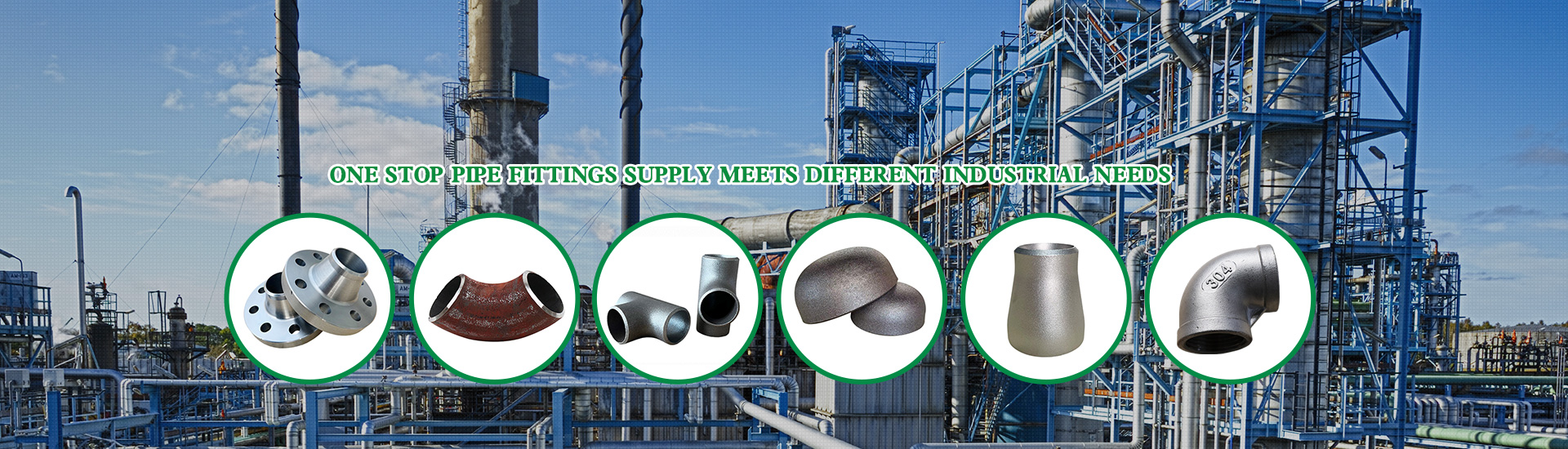
Tee fittings rank among the most frequently used components in industrial piping, enabling flow division and combination at branch connections. These T-shaped fittings create junction points where fluid either splits into two directions or merges from multiple sources. Understanding tee types, their pressure ratings, and appropriate applications ensures reliable system performance across diverse industrial settings.
Equal Tee Configuration and Uses
Equal tees, sometimes called straight tees, feature three openings of identical diameter. This symmetrical design creates a balanced branch connection where all three flow paths carry the same nominal pipe size. The equal tee provides a convenient solution when branch flow equals main line flow, or when future expansion might require full-size connections.
Manufacturing equal tees involves several processes depending on size and quantity requirements. Hot forming shapes heated material into the tee configuration using hydraulic pressure. The process creates seamless transitions between the run and branch connections. Smaller tees may be machined from bar stock, while large diameter tees often use fabricated construction with welded seams. Each method produces reliable fittings when properly executed.
Applications for equal tees appear throughout industrial facilities. Process piping often requires branching to serve multiple equipment items from a common supply header. Cooling water distribution systems use equal tees to split flow between heat exchangers. Instrument connections tapping off process lines frequently use equal tees with one opening reduced through bushings or reducers.
Reducing Tee Designs and Benefits
Reducing tees incorporate different diameters, typically with the branch connection smaller than the run connections. This design addresses applications where branch flow requirements differ from main line capacity. The integrated reduction eliminates separate reducer fittings, simplifying installation and reducing potential leak points.
Standard reducing tee configurations maintain run diameter while reducing branch size. A 6x6x4 reducing tee features 6-inch run connections with a 4-inch branch. The size reduction occurs within the tee body, creating a smooth transition without additional fittings. Multiple reduction ratios accommodate various flow requirements while maintaining standard pressure ratings.
Flow distribution through reducing tees requires engineering consideration. The branch typically receives flow proportional to its cross-sectional area, though actual distribution depends on downstream conditions. Pumping systems may experience pressure changes at tee locations affecting flow balance. System designers account for these effects when sizing components and establishing operating parameters.
Material Options for Service Conditions
Carbon steel tees serve general industrial applications handling non-corrosive fluids at moderate temperatures. The material welds readily to carbon steel piping systems using standard procedures. Carbon steel tees provide decades of reliable service in water, steam, air, and hydrocarbon applications when properly specified and installed. Cost-effectiveness makes carbon steel the default choice for most applications.
Stainless steel tees address corrosion resistance requirements in aggressive environments. The chromium content creates a passive surface layer resisting chemical attack. Type 304 serves many chemical processing applications, while Type 316 adds molybdenum for improved chloride resistance. Stainless tees also suit sanitary applications where cleanliness and cleanability matter.
Alloy steel tees handle elevated temperature service beyond carbon steel capability. Chrome-molybdenum grades maintain strength at high temperatures, serving refinery and power plant applications. The material cost premium reflects the specialized service conditions these tees address. Matching tee material to pipe material ensures compatible welding and consistent properties throughout the system.
Pressure Ratings and Wall Thickness
Tee pressure ratings depend on wall thickness and material properties. Standard schedules coordinate with pipe wall thicknesses, enabling matched systems throughout. The branch connection typically experiences higher stress due to geometric discontinuity, requiring adequate reinforcement for pressure containment. Design calculations verify adequate wall thickness at all locations.
Reinforcement requirements address the metal removed at branch connections. The opening in the run pipe creates a stress concentration requiring compensation. Standard tee designs incorporate this reinforcement through increased wall thickness in the crotch area. Custom fabricated tees may require pad-type reinforcement meeting code calculation requirements.
Pressure-temperature ratings published in standards define allowable service conditions. Ratings decrease as temperature increases due to reduced material strength. Operating conditions must remain within published ratings with adequate safety margins. Engineering specifications typically require design conditions below maximum rated values.
Installation and Welding Considerations
Proper tee installation requires attention to weld quality at multiple joints. Each of the three connections receives a circumferential weld attaching adjacent piping. Welding sequence affects distortion and fit-up, particularly for larger tees. Qualified welders and approved procedures ensure reliable connections meeting code requirements.
Fit-up tolerance affects weld quality significantly. Standard tee dimensions provide straight ends for butt welding, but field conditions may require adjustment. Proper alignment prevents angular distortion that could affect connected equipment. Temporary bracing maintains alignment during welding operations.
Branch orientation requires consideration during installation. Equal tees offer flexibility, but reducing tees must align with branch piping size requirements. Documentation and marking prevent installation errors. Pre-fabrication of tee assemblies in controlled shop environments improves quality compared to field welding.
Branch Reinforcement Alternatives
While welded tees provide standard branch connections, alternatives exist for specific applications. Weldolets and threadolets attach directly to pipe walls, providing reinforced branch connections without separate tee fittings. These components suit smaller branch sizes where full tee fittings prove unnecessary or uneconomical.
Reinforcement pads provide branch reinforcement for large diameter connections. The pad wraps around the branch attachment point, replacing metal removed by the opening. Design calculations determine pad dimensions meeting code requirements. This approach suits fabricated branches in large piping systems.
Extruded outlets form branch connections by reshaping the run pipe itself. Heating and applying internal pressure bulges the pipe wall outward, creating an integral branch connection. This method produces strong connections without weld seams in the critical crotch area. Extruded outlets appear in high-pressure applications where maximum integrity is required.
Conclusion
Tee fittings provide essential branch connection capability throughout industrial piping systems. Equal tees address symmetrical flow requirements, while reducing tees accommodate different main and branch capacities. Material selection matches service conditions, and proper installation ensures reliable long-term performance. Quality manufacturing and adherence to standards provide confidence in tee performance across decades of service.
References
American Society of Mechanical Engineers. (2021). ASME B16.9 - Factory-Made Wrought Butt Welding Fittings.
American Society of Mechanical Engineers. (2022). ASME B31.3 - Process Piping.
Megyesy, E. (2019). Piping and Pipeline Engineering. DEStech Publications.
Process Industry Practices. (2020). PIP PNC0004 - Piping Fabrication and Installation Specification.